Diplomat: No power vacuum in Tehran; leadership tightens grip, prepares for protracted confrontation
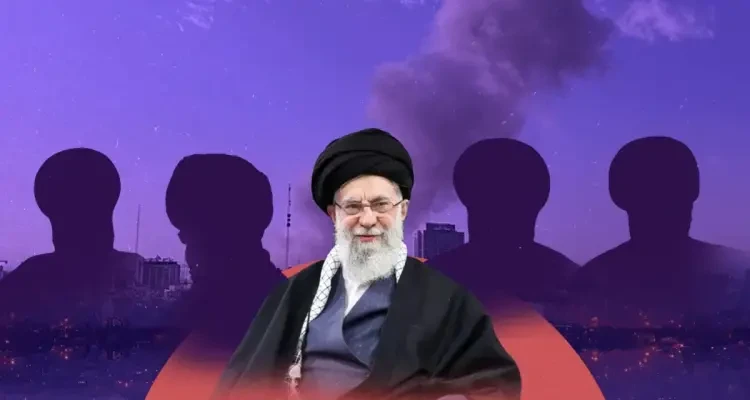
Palestinian academic and diplomat Dr. Alaa Abu Amer stated that the structure of the Iranian political system makes a leadership transition a test of internal cohesion, not necessarily a moment of vacuum or collapse.
In an interview with the Palestinian news agency Shihab on Sunday, Abu Amer emphasized that managing battles and regional issues does not depend solely on the Supreme Leader, despite his having the final say.
He added that military and regional operations are delegated to military leaders and security institutions that enjoy considerable flexibility, ensuring continued performance even amidst political crises or a potential leadership transition.
He pointed out that the Iranian strategy is based on the principle of “war of attrition” and distributed defense through regional allies, a semi-independent formula that allows for continued pressure on adversaries regardless of developments in Tehran.
Regarding the internal dynamics within Iran, Abu Amer explained that Tehran’s adversaries might attempt to exploit any power transition to achieve a political or security breakthrough by instigating protests or carrying out targeted operations. However, the swift consolidation of the new leadership would close these gaps.
He added that a smooth transition of power reflects the “deep state’s” firm grip on decision-making and makes major strategic shifts or a military defeat resulting from a leadership vacuum unlikely.
He emphasized that the regime’s continuity indicates that the conflict will be managed according to the principle of “patience” and maintaining a balance of power, far removed from the scenario of a swift resolution that the adversaries aspire to.