
Leader in 18th Ramadan lecture: Lessons from Prophet Moses Key to Reviving the Nation’s Responsibility
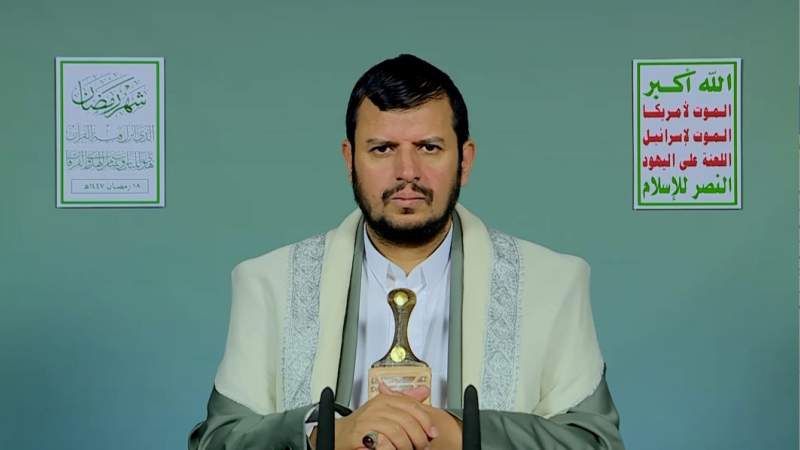
Leader of the Revolution, Sayyed Abdulmalik Badral-Dinal-Houthi, stressed the importance of drawing moral, educational, and practical lessons from the story of Prophet Moses (peace be upon him), emphasizing the urgent need for the Muslim Ummah to embody these values in order to shoulder its responsibilities and advance in various spheres of life.
During his 18th Ramadan lecture, Sayyed Abdulmalik presented a detailed explanation of a segment of the Qur’anic narrative concerning Prophet Moses after his arrival in Madyan, as referenced in Surat Al-Qasas.
He explained how divine providence transformed the situation of Moses—granting him security, shelter, livelihood, and marriage after a period of hardship.
The Leader noted that the Qur’anic account highlights several essential ethical principles that should guide individuals and societies, including modesty, integrity, strength, and trustworthiness, stressing their significance in personal conduct, public responsibilities, administrative work, and contractual dealings.
Modesty as a Foundation of Faith and Character
Sayyed Abdulmalik underscored the profound moral value of modesty, which was exemplified in the conduct of the two daughters of the righteous man in the Qur’anic story. He explained that modesty represents a deeply rooted moral trait reflected in a person’s behavior, speech, and dealings with others.
He emphasized that modesty plays a central role in a believer’s relationship with Allah, as it motivates a person to avoid wrongdoing and maintain righteousness out of reverence and awareness of divine blessings. Quoting prophetic traditions, he reiterated that “modesty is part of faith,” noting that those who possess greater modesty tend to rise to higher levels of moral refinement.
The Leader further explained that modesty protects human dignity and encourages individuals to avoid actions that may diminish their character, even if such actions do not necessarily fall within the category of major sins.
Strength and Trustworthiness as Standards of Responsibility
In his lecture, Sayyed Abdulmalik highlighted the significance of the Qur’anic statement:
“Indeed, the best one you can hire is the strong and the trustworthy.”
He explained that strength refers to the capability—mental, physical, and psychological—required to carry out a task effectively, while trustworthiness represents the ethical commitment to safeguard responsibilities and fulfill duties with honesty.
The leader added these two qualities constitute the most essential criteria for selecting individuals for positions of responsibility. He warned that the absence of trustworthiness leads to corruption, betrayal, and systemic failure, stressing that honesty and integrity are fundamental to the success of individuals, institutions, and nations.
He also said trust as a comprehensive concept encompassing all aspects of human responsibility, including personal conduct, public duties, and stewardship of the resources entrusted to humanity by Allah.
The Importance of Work and Rejecting a Culture of Idleness
The Leader emphasized the importance of work as a cornerstone of human dignity and societal progress. Reflecting on Prophet Moses’ acceptance of employment as a shepherd in Madyan, he pointed out that honorable work—regardless of its nature—is vital for building a productive and self-reliant society.
He criticized misconceptions prevalent among some segments of society that restrict the concept of work to comfortable administrative positions, warning that such attitudes foster laziness and dependency. He stressed that genuine societal advancement requires engagement in productive sectors such as agriculture, industry, and other labor-intensive fields.
The leader concluded by highlighting the broader lesson of the Qur’anic narrative: that righteousness, justice, transparency, and mutual agreement must form the foundation of all social and economic dealings. These principles, he said, ensure stability in human relations and contribute to the ethical and moral development of society.
Sayyed Abdulmalik Badr al-Din al-Houthi delivers daily Ramadan lectures each year, addressing religious, ethical, and societal issues affecting the Muslim Ummah. These lectures often draw upon Qur’anic narratives and historical experiences to provide guidance on contemporary challenges, including moral reform, social responsibility, and resistance against oppression, particularly in the face of ongoing aggression by the Israeli enemy and its regional allies.