
Ansarullah Official Says Yemen Has Become a Key Player in Regional Power Balance
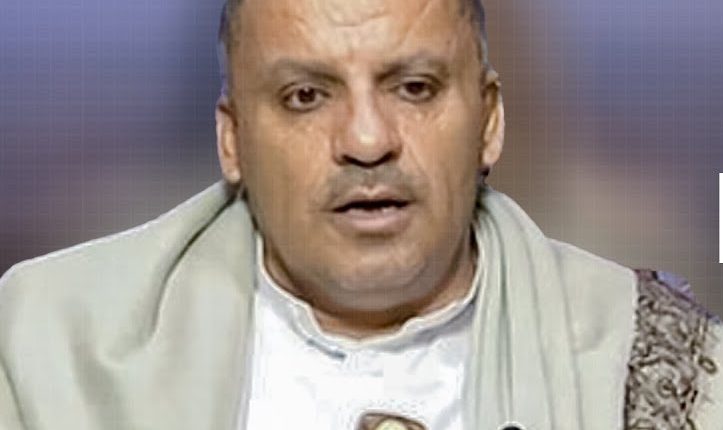
Ansarullah Political Bureau member Judge Abdullah Al-Naami said Yemen has become “a key player” in regional equations, describing the country’s resilience and growing capabilities as an extension of the revolutionary legacy of Imam Zaid bin Ali.
Al-Naami said the current phase is marked by major regional shifts that require Saudi Arabia and countries backing the war on Yemen to reassess the changing balance of power, which he said now favors Yemen.
He said the mass public rallies endorsing the recent statement by the Yemeni Armed Forces reflected broad popular support for restoring national decision-making and ending the blockade, adding that the demonstrations gave the statement significant public legitimacy.
Al-Naami argued that “jihad and sacrifice” remain the only path to restoring the dignity, security, and stability of the Muslim nation in the face of hegemonic powers. He said Yemenis had demonstrated a willingness to sacrifice rather than accept the status quo imposed by the US and Saudi Arabia.
He said Yemen’s current position was rooted in the legacy of Imam Zaid bin Ali, whose revolutionary principles, he argued, continue to inspire the country’s political and military course, drawing parallels with the legacy of Imam Hussein. According to Al-Naami, Yemenis today link those historical struggles with their present-day campaign to defend dignity and support the oppressed.
Al-Naami said the Yemeni Armed Forces’ statement reflected a long-standing public demand to restore national sovereignty and lift the blockade, adding that many Yemenis believed such a decision had been overdue.
He also argued that Saudi Arabia had failed to achieve its objectives despite leading a military coalition, receiving international backing, and attempting to dismantle Yemen’s military capabilities. He said Yemen had since developed advanced missile and drone capabilities, alongside a stronger military structure and broad domestic support.
According to Al-Naami, Yemen now possesses the military and popular strength needed to confront its adversaries, while Saudi Arabia, he added, no longer enjoys the level of international support it once had, asserting that some former coalition members have reconsidered their positions.
He further said the messages conveyed by Yemen’s recent actions were clear, arguing that the Arab and Islamic nations could only regain their dignity by following the path of resistance, sacrifice, and confronting global hegemony.
Al-Naami stressed that this approach was not intended to promote war or bloodshed but to safeguard the nation’s security, stability, resources, and sovereignty. He said Yemen would continue to adhere to this course.
Concluding his remarks, Al-Naami said Yemen has a long history of resistance against oppression and called on the US, its allies, and neighboring countries—particularly Saudi Arabia—to recognize a new regional reality, arguing that policies based on coercion and denying nations their sovereignty were no longer sustainable.
Recently, Yemen’s Armed Forces have issued a stark warning to the “criminal Saudi regime” against any “folly” or new aggression, vowing a “comprehensive response” targeting the enemy’s vital interests on land and sea.
This came after a formation of Saudi enemy warplanes violated Yemeni provincial airspace in an attempt to prevent an Iranian civilian aircraft—carrying over 200 stranded citizens, wounded, and sick passengers—from landing at Sana’a International Airport.
Since 2015, Sana’a International Airport has been subjected to a comprehensive closure by the US- Saudi-led coalition, effectively strangling the Yemeni capital’s only civilian air link to the outside world. The closure has deprived millions of Yemenis of their fundamental right to travel, seek medical treatment abroad, and maintain family and commercial ties.