
Ansarullah Official: Saudi Arabia Must End Blockade, Implement Peace Roadmap
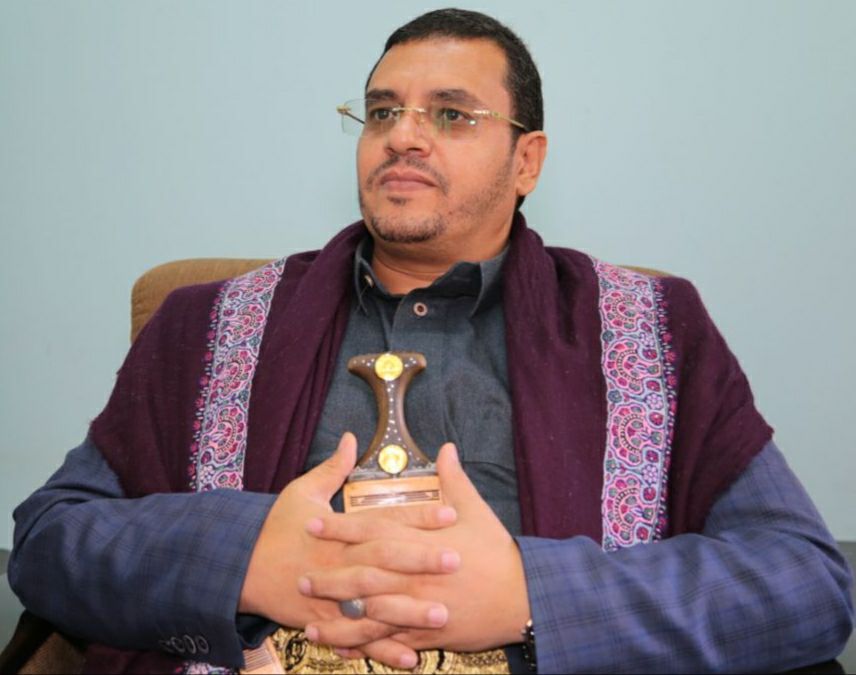
Ansarullah Political Bureau member Hizam al-Assad confirmed that the Saudi regime has been carrying out its aggression and siege against the Yemeni people for nearly 12 years, while pointing out the positive, humanitarian, ethical and religious stance of the Islamic Republic of Iran.
He commended the late Sayyed Ali Khamenei’s stance on Yemen, saying he had voiced support for the Yemeni people since the outset of the aggression. He further stressed that Saudi Arabia’s policies toward Yemen were primarily driven by the US and the Israeli enemy.
Al-Assad described Saudi Arabia as a “functional regime,” saying that its current policies represent a continuation of US-Saudi aggression. He also accused Riyadh of reacting with “hysteria” to the reopening of Sana’a International Airport, saying it was attempting to portray itself as an authority over Yemen’s sovereignty.
He said Iran had supported efforts to break the blockade on Yemen despite facing international and regional pressure. Al-Assad accused Saudi Arabia of committing widespread violations during the aggression and argued that Riyadh should implement the UN-backed roadmap by ending military operations, lifting the blockade, and taking practical steps toward peace.
According to al-Assad, any comprehensive settlement should include compensation payments, payment of public-sector salaries, the return of Yemen’s looted wealth held in Saudi banks, reparations for damages, the withdrawal of Saudi forces, and the handover of traitors and mercenaries to authorities in Sana’a.
He argued that restrictions on Sana’a International Airport and Hodeidah Port affect Yemen’s civilian population as a whole, warning that continued pressure could lead to renewed military escalation. He further stressed that the US was encouraging Saudi Arabia to continue its military campaign and blockade.
Al-Assad also referred to recent statements by Sayyed Abdulmalik al-Houthi and the Armed Forces spokesman, saying Yemeni tribes were mobilizing forces and declaring full readiness for a new phase of escalation to secure Yemen’s rights.
He stressed that the Yemeni people reject partial solutions, continued Saudi control over Yemeni territory, or any form of external guardianship over the country’s economy and living conditions, adding that “the coming days hold many surprises.”
Turning to regional developments, al-Assad said assassination campaigns had failed to undermine Iran’s leadership or public support, pointing to the large funeral processions and public gatherings held in Iran, Iraq, and elsewhere in support of the resistance axis.
He said those demonstrations had frustrated US efforts to weaken Iran and represented a setback for Washington and the Israeli enemy, particularly following Operation True Promise 4.
Commenting on reported renewed US and Israeli strikes on Iran, al-Assad stated they reflected frustration over the failure to achieve their objectives against Tehran. He stressed Iran’s core strategic capabilities, including its nuclear and missile programs, remained intact and said attempts to change Iran’s political system had failed due to strong public backing for the country’s leadership.
Al-Assad concluded by saying the US was seeking a symbolic victory to restore its standing after Iranian military operations, asserting that Iran’s military capabilities continued to grow and that the regional “unity of fronts” had undermined Israeli and American efforts to dominate the region.
The remarks come as political attention remains focused on efforts to revive Yemen’s stalled peace process following the resumption of international flights through Sana’a International Airport with the landing of an Iranian plane at Sana’a International Airport last Friday morning, carrying a large number of wounded, sick and stranded people, and then transporting to Tehran the Yemeni delegation participating in the funeral of Sayyed Khamenei. This development was a significant step toward breaking the Saudi-led blockade imposed since 2015.
Yemeni officials have repeatedly called on Saudi Arabia to implement the UN-sponsored peace roadmap by ending military operations, lifting restrictions on airports and ports, and addressing humanitarian and economic issues, while warning that continued delays could trigger renewed military escalation.
The statements also coincide with heightened regional tensions following the recent US-Israeli aggression against Iran and growing coordination among members of the regional resistance axis.