
Entisaf Organization Issues HR Report Documenting Targeting of Central Correctional Facility in Al-Hazm District, Al-Jawf
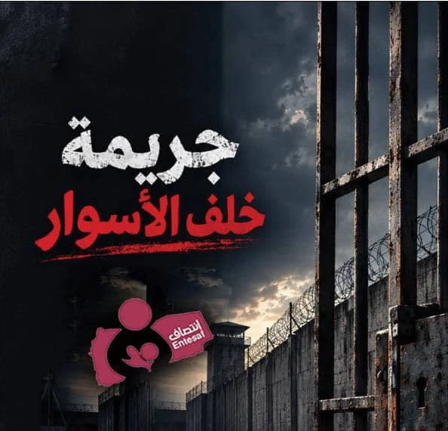
Entisaf Organization for Women and Child Rights issued a human rights report today titled “A Crime Behind Bars.” The report documents the targeting of the Central Correctional Facility in Al-Hazm District, Al-Jawf Governorate, by Saudi-led coalition airstrikes on September 7.
The report details the incident and its humanitarian consequences, incorporating firsthand accounts and interviews with eyewitnesses who experienced the bombing, alongside documentation of the resulting damage and related facts.
The report states that the airstrikes killed 37 civilians—including women and children—and injured seven others. It caused material damage to the correctional facility building and its surroundings, as well as to associated facilities. At the time of the attack, the area housed detainees, staff, and civilians, which compounded the severity of the strike and increased the resulting human and humanitarian toll.
The report documents the direct humanitarian impact on the victims’ families and survivors, including the loss of breadwinners, physical injuries, and psychological trauma. It also highlights the families’ struggles to identify their loved ones and complete burial and medical procedures, given the limited medical and humanitarian resources available in the area.
It presents eyewitness accounts stating that the bombing occurred suddenly and that rescue teams and local residents faced difficulties accessing the site, recovering victims, and transporting the injured. These challenges were due to the extent of the destruction and ongoing risks in the vicinity, which complicated rescue and relief operations. Entisaf Organization affirmed that the targeting of the central correctional facility—and the resulting civilian casualties—constitutes a grave violation of the rules of international humanitarian law. It noted that the report analyzes the legal framework regarding the protection of civilians, detainees, and facilities with protected status, based on relevant international rules, treaties, and conventions.
The organization emphasized that protecting detainees remains both a legal and humanitarian obligation; the existence of a correctional facility does not justify targeting it or endangering those within it—unless its military nature is proven in accordance with established legal standards—while stressing the necessity of adhering to the principles of distinction and proportionality and taking the precautions required to protect civilians.
The organization stated that documenting this crime is part of its ongoing efforts to monitor and record violations committed against civilians in Yemen and to preserve related evidence and testimonies, thereby contributing to uncovering the truth and achieving justice for the victims.
It called for the preservation of all physical and digital evidence related to the crime—including photographs of the bombing site, hospital records, witness testimonies, and lists of casualties and the injured—to ensure that the facts are not obscured and that information essential for any future independent investigation is not lost.
The organization urged the international community, the United Nations, and human rights bodies to fulfill their responsibilities by launching an independent and transparent investigation into the circumstances of the crime, ensuring accountability for those responsible, and preventing impunity for the perpetrators of grave violations. It also called for the provision of urgent medical and psychological care for the wounded, survivors, and victims’ families; the delivery of humanitarian support to those affected; and the guarantee of their right to truth, redress, and compensation, in accordance with relevant international standards.