
International Media: Yemeni Operations Disrupt Saudi Oil Exports and Deepen Pressure on Kingdom’s Energy Sector
International media outlets have highlighted the growing economic impact of Yemen’s announced maritime blockade against Saudi Arabia and recent strikes on Saudi energy infrastructure, reporting mounting pressure on the Kingdom’s oil exports and shipping routes.
According to The National, the Yemeni maritime blockade has forced Saudi Arabia to reorganize its crude oil export routes, with shipments through the Bab al-Mandab Strait falling to near zero. The report said Riyadh has increasingly relied on longer and more expensive shipping routes to reach Asian markets.
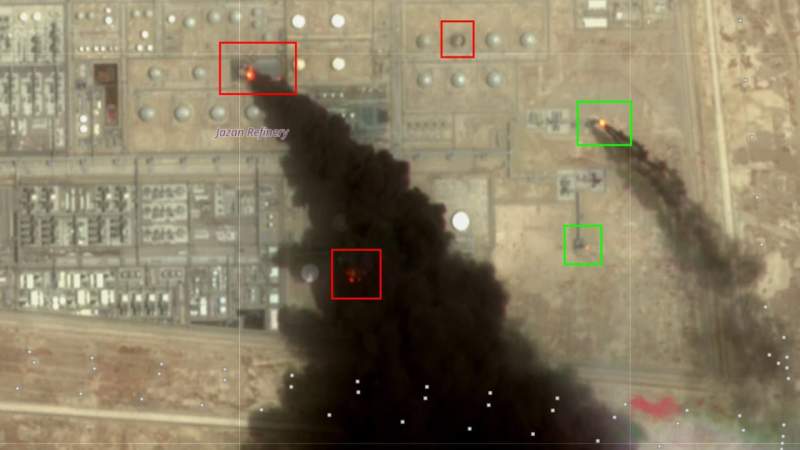
The newspaper noted that while some tankers had departed before the blockade took effect, reports indicated that several vessels switched off their Automatic Identification System (AIS) transponders while transiting the Red Sea. It also said the Yemeni Armed Forces had targeted Aramco facilities in Jizan and Yanbu in the first direct attack on Saudi oil infrastructure since 2022.
The report added that rerouting exports via the Suez Canal and around the Cape of Good Hope significantly increases transit times and shipping costs. A crude shipment from Yanbu to South Korea, it said, now takes about 54 days compared with 24 days via Bab al-Mandab, while transportation costs rise by roughly $2 million per cargo due to the need for smaller Suezmax tankers instead of a single very large crude carrier.
The newspaper linked the disruption to Saudi Arabia’s increasing dependence on the Yanbu terminal and the East-West pipeline after navigation through the Strait of Hormuz was disrupted, noting that Yanbu handled about 92% of the Kingdom’s seaborne crude exports in June.
The Wall Street Journal reported that the Yemeni operations have inflicted significant costs on Saudi Arabia, with Riyadh attempting to offset losses by redirecting exports through Egyptian ports. The report added that longer shipping routes have fueled concerns that crude prices could exceed $100 per barrel, with some financial institutions projecting prices could reach $120 if the escalation continues.
Meanwhile, The Jerusalem Post said continued Yemeni operations could further disrupt international shipping through the Red Sea.
The Financial Times reported that major marine war-risk insurers informed brokers they would no longer provide war-risk coverage for Saudi-linked vessels operating in the Red Sea following the attacks on oil facilities in Jizan.
According to the report, several leading Lloyd’s market insurers also decided to exclude ships with links to Saudi Arabia, including vessels sailing under foreign flags that had previously called at Saudi ports.
Middle East Eye reported that Yemen’s announcement of a maritime blockade has placed Bab al-Mandab—the world’s second major oil transit route after Hormuz—under growing pressure. It added that Saudi crude tanker traffic in the Red Sea has nearly disappeared from publicly trackable records since July 23, with operators increasingly relying on untraceable transits and port calls.
The report said the disruption could force Saudi exports onto longer and more expensive routes, reduce available tanker capacity, reshape global crude trade flows, and increase costs for Asian buyers.
Separately, Bloomberg reported that satellite imagery showed smoke rising from several Saudi oil facilities over the past 48 hours, including gas flaring activity at the Abqaiq oil processing plant, which can process around 7 million barrels per day. Bloomberg also cited Sentinel-2 imagery showing a fire at a storage tank in Jizan, with smoke visible from a nearby flare tower.
Observers consider that this report and preceding international assessments confirm that Saudi Arabia is heading toward costly economic crises, placing the Saudi regime before unprecedented challenges.
They also emphasize that continued Saudi procrastination, aggression, and siege on Yemen amid the escalating repercussions of Yemeni deterrence amounts to a “disastrous suicide.”
The absence of Saudi oil tankers from the Red Sea represents a tangible demonstration of the effectiveness of Yemen’s naval blockade and its potential to disrupt global energy markets.