
Political analyst: Gaza experiencing most dangerous phase in its history, next administration must be purely Palestinian
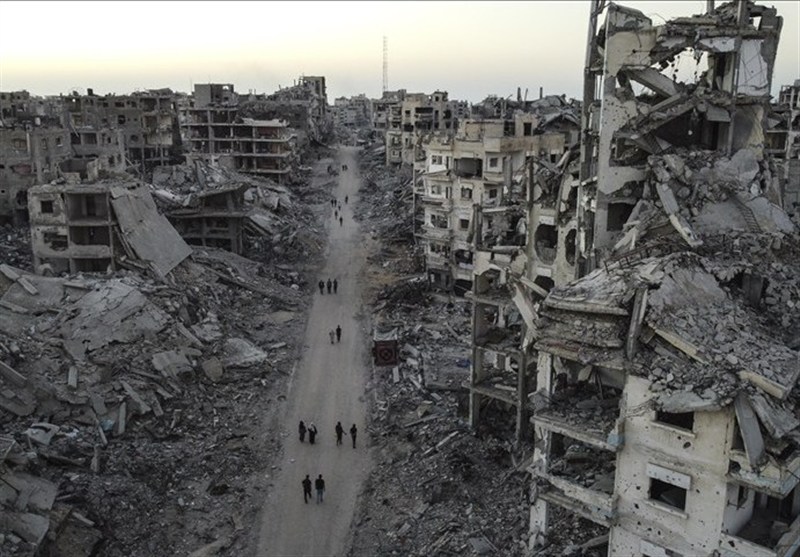
Writer and political analyst, Muhammad Shaheen, stated that the Gaza Strip is experiencing one of the most dangerous humanitarian phases in its history, with the suffering of its residents worsening daily.
This situation transcends the boundaries of emergency crises, reaching the level of an existential threat to Palestinian society, Shaheen explained to the Palestinian news agency, Shihab, that thousands of Palestinian families are living in dilapidated tents that offer no protection from the winter cold or the torrential rains, which transform displacement camps into uninhabitable environments.
This is due to the lack of clean water, food shortages, and a lack of medicine and heating. He emphasized that every storm brings an additional tragedy, especially within the overcrowded camps housing displaced people.
He pointed to the outbreak of severe influenza and respiratory illnesses among children, women, and the elderly, amidst a near-total collapse of the healthcare system. He warned that the continuation of this situation will produce a generation bearing deep wounds that could last for decades, threatening their ability to build and innovate in the future.
Shaheen emphasized that what is happening in Gaza cannot be treated as a passing humanitarian crisis, but rather constitutes a form of collective punishment and systematic starvation, necessitating the full disclosure of the truth to international public opinion to break the silence.
He stressed that the entry of medicines, medical supplies, relief aid, and caravans is an urgent humanitarian priority, not a political demand.
On the political front, Shaheen stated that the ongoing meetings of Palestinian factions in Cairo are part of preparations for the second phase of the ceasefire agreement, focusing on the work of the Palestinian Administrative Committee to administer the Gaza Strip, free from any external oversight or political domination, ensuring it remains purely Palestinian.
He added that Hamas, according to statements from its leaders, has expressed its readiness to provide the necessary facilitations to ensure the success of this process, within a political framework that seeks to move beyond the experience of previous governance without severing ties with the national path, and to open the door to a comprehensive national consensus that paves the way for genuine reconstruction.
The writer and political analyst pointed out that Gaza stands today at a historic crossroads, where the humanitarian tragedy intersects with political transformations.
He emphasized that what comes after this stage will not be a vacuum, but rather either a comprehensive national project that preserves rights, or a tragic repetition of the crisis in new forms, if a unified national will and effective Arab and international pressure are not forthcoming.