
Saudi Attacks on Yemeni Factories Constitute War Crimes, Seek to Undermine Local Industrialization
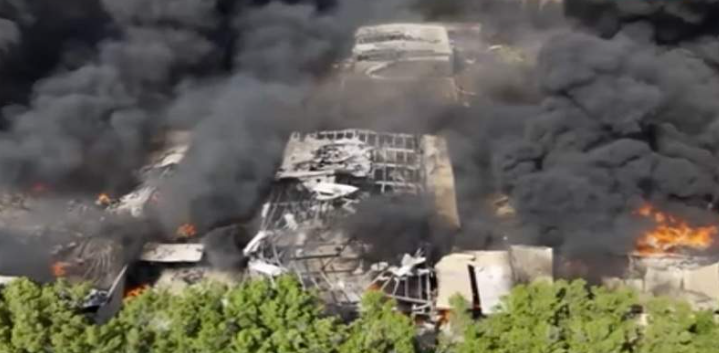
Saudi attacks on factories and industrial facilities in Yemen have caused an estimated $585 million in economic losses over 125 days, while leaving more than 1,000 people killed or wounded, according to Sami Maqbuli, Deputy Minister of Economy and Investment for Industry.
Speaking to Al-Masirah TV on Wednesday, Maqbuli said the ministry had documented attacks on 10 factories in Sana’a, Taiz and Hodeidah between July 13 and November 17. The losses include damage to production lines and industrial buildings, as well as destroyed goods and inventories. The casualty toll includes around 400 fatalities, among them approximately 150 women and children.
Maqbuli described the targeting of civilian industrial facilities as a serious violation of international humanitarian law that could constitute a war crime. He said the attacks seek to disrupt domestic production, undermine local industrialization and keep Yemen’s economy dependent on imports. He cited the bombing of Al-Khawlani Factory, where the death toll had risen to 18 workers.
He added that the ministry has established an operations room to document damage and casualties and prepare legal files for pursuing compensation claims. Government measures are also being coordinated to rehabilitate damaged factories through tax and fee exemptions, financing, technical assistance and import regulations designed to protect affected manufacturers from losing their market share.
Maqbuli stressed that the government would continue supporting factory owners and workers, maintaining that the attacks would not halt efforts to rebuild industrial facilities and expand domestic production.
Since March 2015, the Saudi-led aggression against Yemen has repeatedly targeted civilian infrastructure, including factories, commercial facilities, markets and essential services.
Such attacks have damaged productive capacity, disrupted livelihoods and increased pressure on an economy already struggling under the blockade and war.
Sana’a has repeatedly called for accountability and compensation for economic losses, while pursuing policies aimed at strengthening domestic production and reducing dependence on imports.