
Yemeni Forces Strike Key Saudi Sites in Four Operations
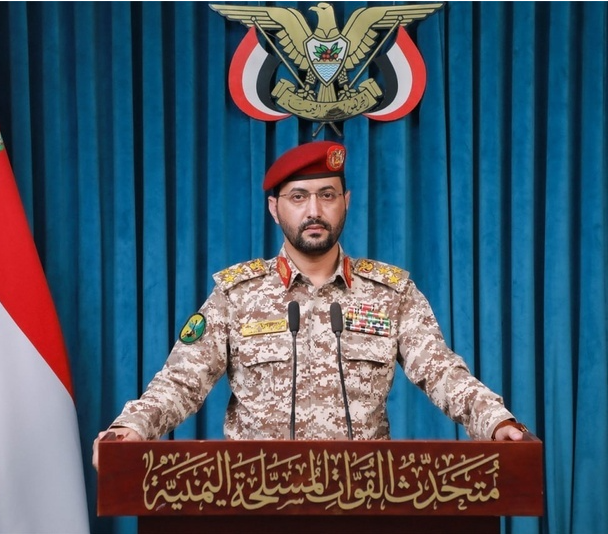
The Yemeni Armed Forces announced on Tuesday that they had carried out four military operations deep inside Saudi Arabia using ballistic missiles and drones, targeting King Khalid International Airport, several pumping stations along the East-West Pipeline in Riyadh, Aramco facilities in Abqaiq, military build-ups in Al-Mudharabah and Ras al-Arah, and Riyadh’s Financial District.
In a statement, the Armed Forces said the operations were carried out in response to the Saudi aggression and its continued crimes against the Yemeni people, most recently the deadly attacks on vendors and shoppers at Al-Hadharah Market in Taiz using US-made GBU-12 bombs, and the destruction of an entire village in Bani Hashish district using US-made GBU-12 and GBU-38 bombs, alongside other massacres and crimes.
The statement said the first operation struck King Khalid International Airport and several pumping stations along the East-West Pipeline in Riyadh, causing fires and damage, with direct hits reported.
The second targeted Aramco facilities in Abqaiq, while the third struck Saudi military build-ups in Al-Mudharabah and Ras al-Arah, supervised by Saudi officer Badr al-Harbi, reportedly inflicting heavy casualties.
The fourth targeted Riyadh’s Financial District in response to the targeting of women and children.
The Armed Forces warned investors and companies against maintaining investments in Saudi Arabia, urging them to relocate to peaceful and secure countries, describing Saudi Arabia as an unsafe investment destination as long as its aggression and blockade against Yemen continue.
The statement also rejected Saudi claims that Yemeni forces had targeted the East-West Pipeline in Medina, stressing that the operation targeted pumping stations along the pipeline in Riyadh, not Medina.
The operations mark a further expansion of Yemen’s declared response to Saudi military escalation, extending the scope of targets to include strategic oil infrastructure, aviation facilities and financial centers.
The East-West Pipeline is a key route for transporting Saudi crude oil to the Red Sea, allowing exports to bypass the Strait of Hormuz. Targeting its pumping infrastructure, alongside aviation and financial facilities, carries potential implications for Saudi energy exports, economic activity and investment security.