
International Report: Insurance Firms Extend War Risk Zone Along Saudi Red Sea Coast
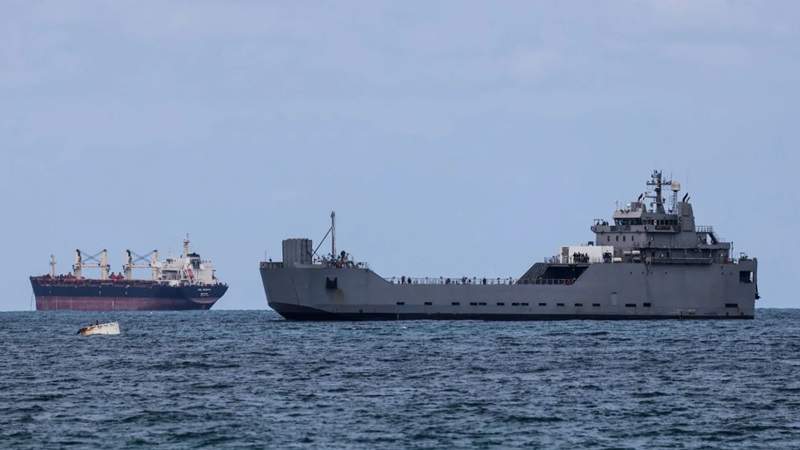
Yemen’s “siege for siege” equation against Saudi Arabia continues to tighten, with a new international report confirming that the operational theater now covers the entire Red Sea, driving insurers to expand war-risk zones by 800 kilometers along the kingdom’s western coastline.
The maritime publication G Captain reported that the “expansion of the scope of naval attacks has pushed insurance companies to expand war-risk zones on Saudi Arabia’s western coast.”
The report detailed an additional extension of approximately 800 kilometers northward along the Saudi Red Sea coast—a direct consequence of Yemeni naval operations that have effectively sealed off Saudi shipping, crippling Riyadh’s ability to export its oil wealth.
Growing International Reluctance
The development underscores a growing international acknowledgment that the Yemeni Armed Forces have effectively sealed off the Red Sea as an operational theater, leaving the Saudi regime with no escape route for its tankers.
The tightening blockade is reflected in increasing global reluctance to engage with Saudi ports, translating into mounting and cumulative losses for the Saudi regime.
The Yemeni naval blockade, declared in July 2025, has systematically targeted Saudi-linked shipping in the Red Sea and the Bab al-Mandab Strait. The expansion of the war-risk zone by insurance underwriters follows a pattern of escalating Yemeni drone and missile attacks on Saudi vessels and ports, including Jeddah and Yanbu.
The blockade is part of a broader “siege for siege” campaign—a direct response to the Saudi-led coalition’s over 12-year military intervention and blockade of Yemen.
The financial and logistical pressures are mounting. The Joint War Committee has already expanded the high-risk area in the Red Sea to include most Saudi waters. Saudi Arabia has been forced to hold talks with London insurers for state-backed coverage to maintain export capacity as private insurers refuse coverage or impose prohibitively high premiums.
The International Monetary Fund and other institutions have noted the adverse impact on Saudi Arabia’s economy, with disruptions to shipping routes affecting oil exports and supply chains. The blockade’s effects are compounded by broader regional instability, including tensions in the Strait of Hormuz, which further threaten Saudi energy exports and global oil markets.