
Hormuz Traffic Falls to Single Digits Despite US Claims of Increased Transit
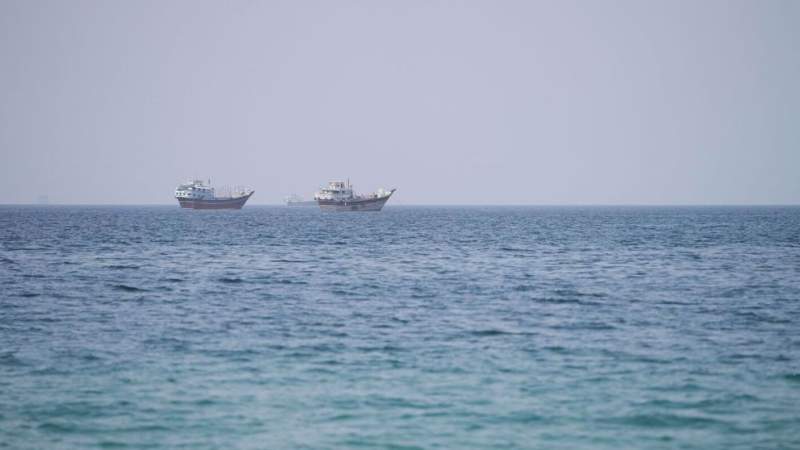
Vessel traffic through the Strait of Hormuz fell to single digits on Thursday despite repeated claims made by Washington that millions of barrels of oil are exiting the chokepoint every day.
Preliminary ship-tracking data showed nine vessels transited the strait on Thursday, down from 14 the previous day and below the 10-day average of about 18, Reuters reported on Friday. Eight vessels exited the waterway and one entered it.
The vessels leaving included a ballast very large gas carrier and a laden very large crude carrier, according to the data.
The sharp decline comes as France is working with the United States on a new Security Council resolution to establish a mission for what they describe as the restoration of freedom of navigation through Hormuz, according to diplomats cited by Reuters. Paris is expected to circulate the draft soon.
Iran imposed restrictions over the strait to defend its interests in the wake of US-Israeli aggression, which began on February 28.
The reported French initiative comes despite President Emmanuel Macron’s earlier rejection of the use of force to reopen the waterway.
During a visit to South Korea in April, Macron said a military operation to force open the Strait of Hormuz was unrealistic.
“Some people defend the idea of freeing the Strait of Hormuz by force via a military operation, a position sometimes expressed by the United States, although it has varied,” Macron said.
“This was never the option we have supported because it is unrealistic. It would take forever, and would expose all those who go through the strait to risks from the guardians of the revolution but also ballistic missiles,” he added.
Macron has since signaled that France is prepared to intervene while maintaining that Paris does not want a military confrontation.
In an interview on the sidelines of the UN General Assembly on Wednesday, Macron said France did not want “to get involved in confrontation with any country” but was ready to do more to protect certain capabilities needed to make transit through Hormuz possible.
He also said France had decided not to join the war because it considered that option wrong and continued to hold that view.
Tehran has strongly rejected the presence of foreign military forces in the waterway.
Iranian officials have maintained that normal shipping can resume once the US-Israeli aggression against the country ends, security threats are removed and the illegal US blockade is lifted.
Tehran has also said arrangements for navigation in the strait should be determined by the two coastal states, Iran and Oman.
The French initiative also faces the question of whether China and Russia would support a Security Council measure involving coercive action. Previous efforts to secure UN-backed military measures over Hormuz encountered opposition from both countries.
A previous Security Council initiative on the waterway was blocked after Russia and China opposed the draft, with Moscow and Beijing noting that it did not adequately address the broader causes of the crisis—which is the unprovoked US-Israeli aggression.
Against this backdrop, the latest traffic figures provide a contrasting picture to claims from a US official that shipping activity was substantially higher on Wednesday.
The official told Reuters that around 60 commercial vessels transited Hormuz that day, carrying what the official described as the highest daily volume of crude oil through the waterway since early July.
The official claimed that about 40 of those vessels coordinated with the US military for protection, while roughly 22 million barrels of oil exited the strait.
Reuters also stressed that it could not independently verify the US official’s figures.