
Saudi Defense Documents Expose Occupation Strategy, Assessment of Local Proxies
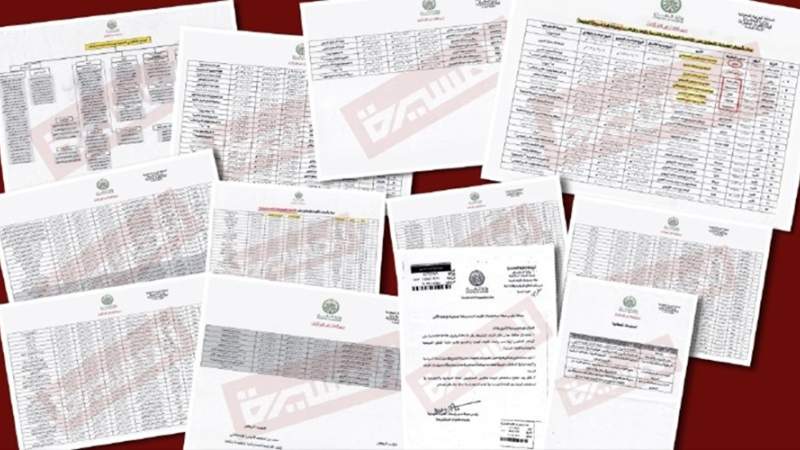
Documents obtained by Almasirah from the Saudi Ministry of Defense reveal the extent of Riyadh’s military and intelligence control over Yemen’s western coast, particularly the strategic city of Mocha, exposing Saudi Arabia’s direct management of local forces and operations.
The documents describe a Saudi-run operational base in Mocha with 135 military and administrative positions. Yemeni commanders serving within Saudi-backed formations were reportedly excluded from the command hierarchy, leaving Saudi officers in control of planning and military operations.
The documents also reportedly detail the deployment of 54 Saudi officers and 148 enlisted personnel, including air-defense, strategic-missile and special-forces units. They further describe intelligence activities aimed at monitoring Yemen’s tribal, political and social structures and influencing local loyalties.
The report also points to tensions between Saudi Arabia and the UAE over control and influence along Yemen’s western coast, including rivalries surrounding Tariq Saleh and his brother Ammar.
It says that Ammar headed Unit 400 under an Emirati officer known as Abu Khalifa, and raises concerns about money and weapons smuggling linked to Sudan’s Rapid Support Forces.
Almasirah presents the documents as evidence of a broader Saudi-led effort to control Yemen’s strategic coastline and the Bab al-Mandab Strait, amid competing regional agendas and plans involving Saudi Arabia, the United States and the Israeli enemy.
The disclosures raise serious questions about Yemen’s sovereignty and the extent to which foreign powers direct armed formations operating on its territory.
Saudi Arabia is seeking to tighten its grip on Yemen’s strategic western coast by establishing military control, directing Saudi-backed forces and expanding its intelligence presence in key areas such as Mocha and Bab al-Mandab
The arrangements point to an effort to extend Riyadh’s influence over Yemen’s coastline and strategic maritime routes, undermining Yemen’s sovereignty and turning its ports and waterways into arenas of regional power competition.