Collapse of American dream of global dominance amid escalation of Iran War
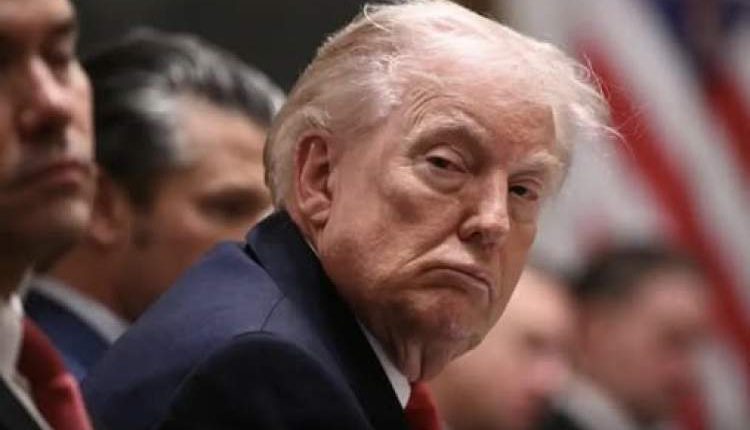
Since the beginning of his second term, U.S. President Donald Trump has ushered in a new phase in international relations, marked primarily by prioritizing force over the rules of international law.
This has prompted many countries around the world to reassess their positions and alliances with a state that adopts a “law of the jungle” approach in managing relations between nations.
Trump is a president who believes only in the language of power and has made it a central pillar of his governance during his second term. This is evident in a series of statements and positions that have sparked widespread controversy and surprise globally, as he appears to give little regard to international relations or traditional alliances, relying instead on a logic of imposing force. This approach has faced criticism from many countries, including some of America’s closest allies.
There are indications that the language of power is the most effective way to deter Trump. This, according to the account, was demonstrated along the Yemeni coasts, where the world witnessed the course of naval confrontations and what was described as a heavy defeat suffered by the U.S. Navy and its withdrawal from the Red Sea and the Arabian Sea.
The U.S.-Israeli aggression against Iran is described as a blatant violation of the sovereignty of an independent state and a clear breach of all principles of international law, conventions, and humanitarian norms. It also represents a direct blow to the foundations of the international system and undermines regional stability. In this context, Iran is seen as having no option but confrontation to deter Trump and his aggressive approach, which is portrayed as disregarding law and humanitarian values. Accordingly, Arab and Islamic countries are urged to stand with the Islamic Republic of Iran and provide support in the face of what is described as unjust aggression; otherwise, the entire region could face a similar fate, affecting countries across the Middle East.
Today, the world is following the course of U.S.-Iran negotiations, which came after what is described as a major failure of U.S. forces in their aggression against Iran—forcing Donald Trump and his administration to the negotiating table. This shift follows a series of assertive statements by Trump predicting a quick resolution within days and claiming that Iran would fall as Venezuela did, only for these claims to collide with a different reality on the ground that imposed new dynamics.
The U.S.-Iran war has, according to this narrative, produced striking realities—most notably that the American era, which imposed its dominance for decades through military power, is now on the path to decline. It is seen as only a matter of time, especially with the decline in international support for Washington in this war, as many countries—including NATO members—have appeared less inclined to follow U.S. policies, reflecting deep shifts in the balance of power and the international system.