
Leader Highlights Prophet Moses’ Confrontation with Pharaoh as Model for Standing Against Tyranny
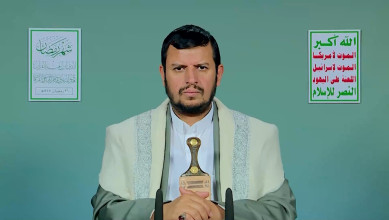
In the 26th Ramadan lecture, the Leader of the Revolution, Sayyed Abdulmalik Badr al-Din al-Houthi, detailed the arrival of Prophet Moses (peace be upon him) and his brother Aaron at Pharaoh’s palace, emphasizing the key messages of divine guidance and the methods used to confront tyranny, drawing lessons for contemporary struggles against oppressors.
The leader highlighted that Moses and Aaron were sent to Pharaoh, whose absolute power and arrogance over Egypt and his officials mirrored modern tyrants, including the Zionist occupiers and their allies. Despite Moses’ humble background and the oppression faced by his people, the divine support he received allowed him to present Allah’s message confidently, backed by both reasoning and miracles.
Moses’ message reminded Pharaoh that ultimate power belongs to Allah alone, exposing Pharaoh’s false claims to divinity and control over his subjects. The leader stressed that the same principle applies today: tyrants who attempt to dominate peoples and claim supremacy are bound by the limits of creation.
Liberation of the Oppressed:
The mission included the liberation of the oppressed Israelites, drawing a parallel with contemporary struggles against the domination and oppression by foreign occupiers, including the Zionist entity in Palestine.
Miracles as Evidence:
Moses’ staff turning into a serpent and the radiant sign of his hand demonstrated the truth of his message, though Pharaoh chose arrogance and mockery over acceptance. The leader noted that divine protection and guidance enabled Moses and Aaron to deliver their mission despite overwhelming hostility.
Lessons in Resistance:
The confrontation illustrates the persistence required to challenge tyranny. Sayyed Abdulmalik emphasized that those who uphold truth and justice, even when surrounded by powerful oppressors, can prevail through steadfastness and divine support.
He also highlighted Pharaoh’s dismissive tactics, including ridicule, threats, and propaganda to undermine Moses’ authority, reflecting methods used by modern tyrants to manipulate public perception.
The leader concluded that Moses’ example demonstrates the importance of relying on divine guidance and steadfast principles when confronting injustice, tyranny, and oppression, emphasizing that divine support always accompanies those striving for truth and liberation.
The leader invoked Quranic assurances that Allah strengthens the righteous, makes the few victorious over the many, and supports those who strive for justice and faith.
This lecture comes amid ongoing regional tensions and highlights the spiritual and strategic lessons drawn from prophetic history for believers navigating challenges in the modern era.
By emphasizing divine trust, careful preparation, and moral conduct in confronting tyranny, the leader draws parallels between historical prophetic missions and the ongoing responsibilities of communities resisting oppression, including threats posed by the Israeli enemy and other aggressors in the region.