
Wounded Gaza: How do people cope with loss amidst endless war?
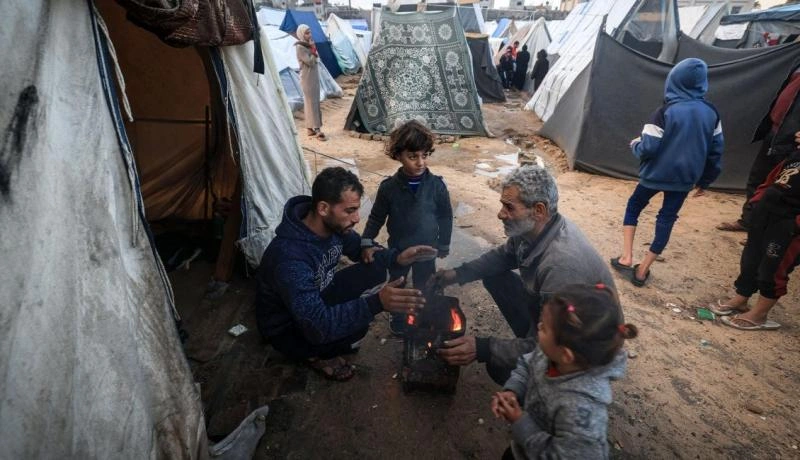
In Gaza, grief doesn’t just visit; it resides in the destroyed homes, sits at the tables of the survivors, and accompanies people in their streets, markets, and displacement camps.
Here, hearts aren’t given enough time to weep, for every day brings a new tragedy, and every hour may add another name to the list of the departed.
Yet, Gazans continue to walk over their open wounds, as if life, despite its cruelty, is still worth trying.
For two years, since the war of annihilation on the Gaza Strip began, loss has become part of the daily reality.
It’s no longer limited to the departure of loved ones, but has extended to include homes, memories, and places that once gave people a sense of security. Amidst this rubble, residents try to mend what remains of their spirits and cling to thin threads of patience and hope.
Young Bilal al-Hassan is one of those left to face harsh loneliness after the war left him with no one to share his entire family in an Israeli airstrike that targeted eastern Khan Younis.
Today, he lives inside a tent, devoid of the sounds that once filled his life with warmth.
Bilal told the Palestinian news agency Shihab, “My whole family was martyred. I have no one to share my days with. The hardest thing isn’t the moment of loss itself, but life after it, when every day you realize you’re truly alone.”
Despite the deep wound, the young man tries to avoid collapse, adding, “I wouldn’t say I’ve moved on, but I fill my time with anything I can find. I talk to them in my heart, and I try to live in a way that would please them if they were still here.”
As for young Abdullah Khalifa, he still carries the pain of losing his friend Mohammed, who was more than just a friend to him; he was a brother, a support, and a companion throughout his school and work years.
Abdullah says that every place they frequented now calls for his presence, from the streets to the cafes and workplaces, adding that his absence has left a huge void that nothing can fill.
He continues, “Overcoming the pain doesn’t mean forgetting; it’s about being able to breathe again. Every corner in Gaza reminds me of them. We were five, and now we’re two, but one tries to be patient so that patience may be rewarded.”
In this unforgiving reality, work has become for many a means of temporary escape from the weight of loss and an attempt to regain some psychological balance amidst the successive setbacks.
Abdullah says, “Work is my only way to escape the bitterness of loss. The pain is great, but my hope in Allah is greater.”
Despite the widening circle of pain, Gazans understand that surrendering to grief means losing what little remains of themselves. Therefore, they continue living with whatever strength they have left, and they give the departed their permanent place in their prayers and memories.
In Gaza, overcoming loss doesn’t mean forgetting those who have passed; it means standing tall each morning despite their absence, and starting anew despite the devastation. Here, resilience is born from the heart of tragedy, and the people prove every day that war may destroy buildings, but it cannot break the human spirit.