Foreign Ministry: Security Council Statement Bought and Paid For by Saudi Money
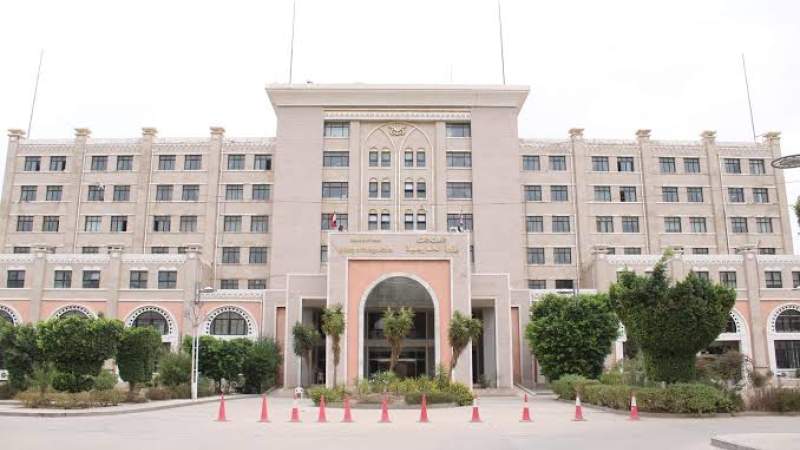
Yemen’s Ministry of Foreign Affairs and Expatriates has rejected a recent UN Security Council statement biased in favor of Saudi Arabia, confirming the Council is violating the very charters and rights it claims to uphold.
In a statement, the ministry said that the Council’s call to preserve Yemen’s sovereignty and independence contradicted measures it said violate Yemen’s sovereignty and undermine the rights of its people. It also stated that Saudi Arabia is using its financial influence to secure international support.
The ministry questioned whether the Council was aware that Saudi warplanes had violated Yemeni airspace since March 26, 2015, including the attack on Sana’a Airport on July 13, 2026.
It said that the Council could not credibly stress upholding international peace while its permanent members wage wars, occupy countries and violate rights without accountability. The ministry also criticized the Council’s failure to enforce resolutions concerning Palestinian rights since 1948.
The statement stated that the Saudi efforts to mobilize its allies, issue statements or form coalitions would not shield it from accountability for crimes committed against its people.
The ministry concluded that such positions expose the UN and its institutions before peoples seeking their legitimate rights, stressing that Yemen would rely on its own capabilities to pursue those rights.
The remarks followed a UN Security Council statement on Friday in which council members condemned retaliatory attacks by the Yemeni Armed Forces against Saudi Arabia and commercial vessels, while also denouncing humanitarian aircraft landings at Yemeni airports.
Yemen confirms the Saudi enemy is continuing to delay implementation of the roadmap for the fourth consecutive year while maintaining the blockade and military campaign imposed on Yemen, contributing to renewed escalation in the conflict.
The warning follows years of escalating tensions between Yemen and Saudi Arabia, with Sana’a affirming Riyadh is maintaining the blockade and military pressure despite repeated calls for a political settlement.
The blockade-for-blockade strategy represents a new phase of confrontation aimed at responding to continued aggression and economic restrictions.