
Major Humanitarian Tragedies & Billions in Losses Amid Saudi Denial
According to recent official reports from the Ministry of Economy, Industry, and Investment, the direct and indirect losses to the Yemeni economy have exceeded $458 billion, including the destruction of infrastructure and the paralysis of investments.
Amid this major economic tragedy, losses to investments and productive sectors are distributed both directly and indirectly. Direct investment projects suffered setbacks and damage to more than 55 large licensed projects, with initial losses amounting to 401 billion Yemeni riyals, covering the capital Sana’a and other governorates.
In terms of investment and commercial sectors, the total estimated losses to the private sector exceeded $75 billion, while more than 12,000 commercial and investment facilities were bombed and damaged, with direct losses approaching $12 billion.
Investment losses are distributed across vital sectors, including the manufacturing industry, which incurred losses of $81.5 billion as a result of the destruction of 34 large industrial projects, the paralysis of production lines, and the closure of thousands of factories and workshops. The service and tourism sector lost $11 billion due to the disruption of 21 service and tourism projects and the closure of hotel and entertainment facilities. The foreign trade sector lost $111.13 billion due to the naval and aerial siege and restrictions on ports. The oil and mineral investment sector lost $57 billion due to the suspension of exploration activities and the freezing of exports.
The investment and production catastrophe has led to extremely serious repercussions, including the departure of Arab, international, and national investments from various fields, along with the departure of passenger transport companies, travelers, and specialized expertise from the country. Hundreds of travel and tourism agencies closed, work ceased in more than 15,000 tourism facilities, and more than 95% of direct workers in those facilities were laid off, driving unemployment rates to record levels exceeding 65% and displacing families who lost their sources of income.
The destruction was not limited to the economic and investment infrastructure; it extended to Yemen’s heritage and civilization, with the destruction and suspension of work at approximately 360 historical and archaeological sites and landmarks, whether fully or partially, including landmarks registered on UNESCO’s World Heritage List.
Alongside the massive tourism and investment tragedy, the effects of the systematic siege on Sana’a Airport have extended to the health sector, causing direct losses exceeding $7 billion, according to the spokesperson of the Ministry of Health and Environment, Dr. Anis Al-Asbahi, who indicated that the airport’s closure resulted in the deaths of 60,000 patients who were denied travel for treatment abroad.
The collapse has been reflected in the health sector in alarming ways, manifested in a 60% decline in the pharmaceutical market due to difficulties in importing raw materials and medicines, the obstruction of 1,329 therapeutic items, and the impact on the work of 83 pharmaceutical companies and importers.
More than 120,000 cancer patients, 40,000 thalassemia patients, and those with hereditary blood diseases face death due to the non-entry of cold-chain medicines, along with 8,000 patients in need of dialysis.
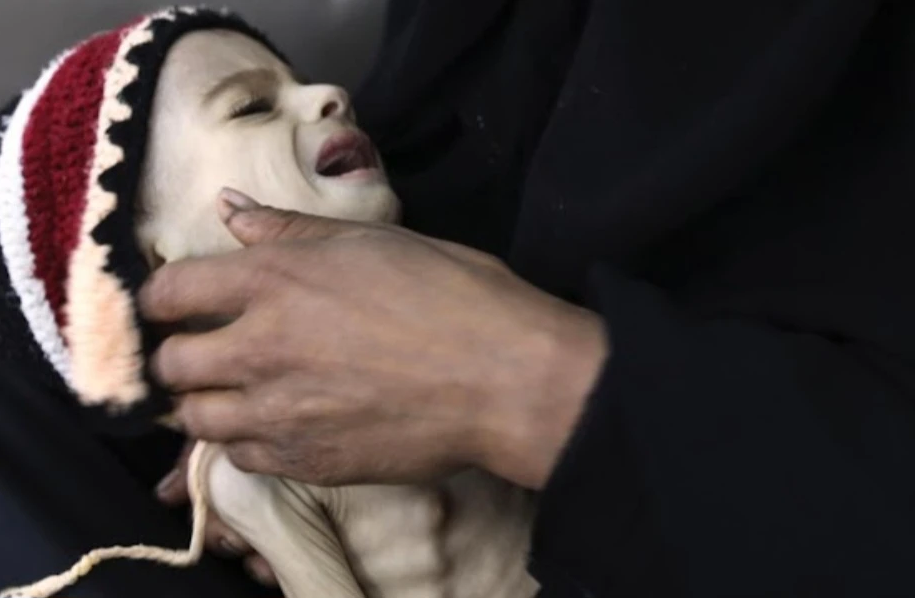
With 3.5 million children suffering from acute malnutrition, 46,000 women dying from complications of the siege and lack of care, and more than 20 million citizens deprived of basic healthcare, the brutality of the siege and its comprehensive crimes against the Yemeni people are fully exposed.
The tragic toll of victims and material losses spanning more than a decade do not merely represent economic statistics and financial tables; they embody the pain of millions of families, infants, and patients who have been deprived of their most basic rights to life and treatment. This painful reality remains a dark stain on the conscience of the international community and the suspicious global silence regarding the crimes of aggression and siege against the Yemeni people.