
Official: Popular Mobilization Proves Yemen’s Rejection of Saudi Hegemony
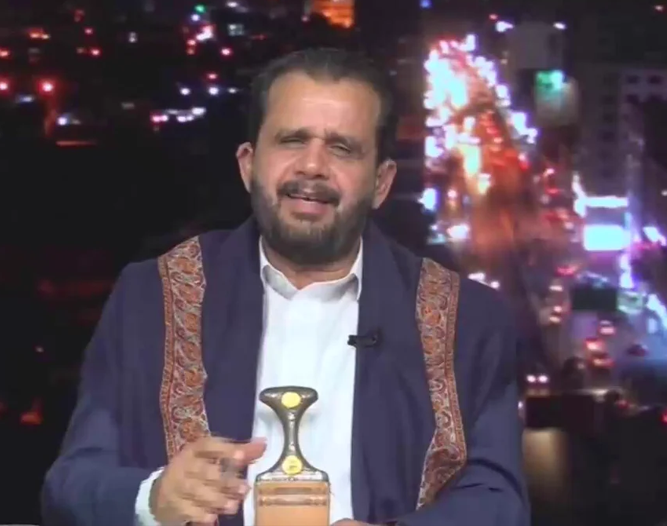
Sheikh Mohammed Shawkah, a member of the Ansarullah Political Bureau, has addressed the significance of Yemeni popular mobilizations, the reasons for the continuation of the confrontation, and the roots of Saudi policy toward Yemen and the region, affirming that Saudi pressures will not push the Yemeni people to retreat from their position.
In an interview with Almasirah TV, Sheikh Shawkah explained that the crowds witnessed in Yemeni squares, particularly in Al-Turbah city, reflected a popular presence rejecting Saudi hegemony. He noted that the city’s people came out after the end of the phase of domination and hegemony practiced by Saudi-affiliated tools.
He affirmed that these masses declared their adherence to a free authority that does not accept its decision being mortgaged or its sovereignty fragmented. Their position was represented in steadfastness, resilience, and confronting pressures and conspiracies to restore Yemen’s historical status.
He noted that these crowds expressed an authentic Yemeni position rejecting aggression and arrogance, and affirming the necessity of societal cohesion and solidarity in the face of dangers.
He considered that the wide popular presence proved the community’s vitality and its rejection of submission, and that the masses came out by their own will to raise their voice against attempts to degrade the dignity of peoples and control their capabilities.
He pointed out that what is happening in Taiz and other areas reflects the continued effort to restore all Yemeni territory. He considered that the people’s resilience and their leadership will form the foundation for changing the regional reality and ending Saudi and Zionist hegemony.
Twelve Years of Aggression and Popular Support
Sheikh Shawkah stressed that this cohesion between the leadership and the people was not a passing position but formed the base of resilience during the years of aggression since 2015. He explained that the continuation of the confrontation throughout this period would not have been possible by the leadership’s effort alone but was based on a broad popular position and consensus among various segments of society.
He added that the aggression—despite its use of aircraft, advanced weapons, economic pressures, attempts to influence society, and reliance on regional and international powers—did not achieve its objectives. Instead, it strengthened Yemenis’ determination to continue the confrontation.
He renewed the affirmation that what is required of Saudi Arabia is to withdraw its hand from Yemen and respect its decision and sovereignty. He stressed that continued pressures will not lead to subjugating the people, and that popular cohesion will lead to changing the equation in the region, not only in Yemen.
Military Escalation Strengthens Yemeni Resolve
Addressing Saudi escalation, Shawkah said the airstrikes that targeted civilian facilities and objects did not lead to Yemenis’ retreat but pushed them to more determination to confront the aggression. He added that the bombardment that targeted Yemen, including the use of missiles and aircraft, did not achieve the psychological impact its perpetrators wanted. Instead, it pushed citizens to strengthen their presence and readiness to head to the fronts.
He explained that attempts at military pressure were met with more resilience, and that citizens did not deal with the bombardment as a reason for retreat or waiting but as a motive to confront the aggression. He considered that this equation will lead to the collapse of Saudi arrogance, affirming that the continuation of aggression will increase Yemenis’ determination to end foreign hegemony.