
Yemeni Analyst: Aggression Against Yemen Planned Since Early 2000s to Reshape Region and Cripple Economy
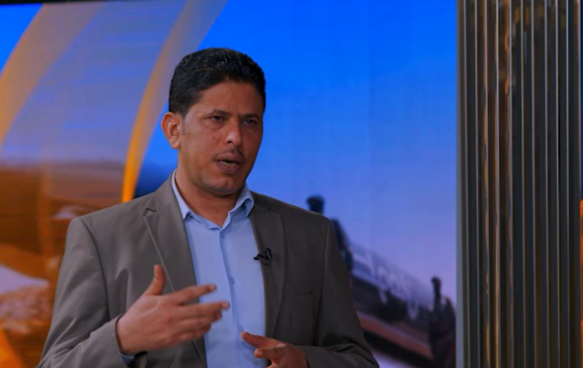
Yemeni military analyst Brig. Gen. Mujeeb Shamsan said the aggression against Yemen had been planned since the beginning of the millennium as part of a US-Zionist project aimed at redrawing the map of the “New Middle East” and advancing the Israeli enemy’s “Greater Israel” project.
Speaking to Al Masirah TV, Shamsan said the strategy unfolded through several stages, beginning with dismantling Yemen’s military establishment and weakening its social fabric before expanding to target the country’s economy through the looting of national resources and the imposition of an economic blockade.
He stressed the campaign against Yemen’s Armed Forces included systematic efforts to undermine the country’s military and defensive capabilities, citing visits by the US ambassador to military camps and the deliberate destruction of military infrastructure.
Shamsan also argued that Yemen’s tribal structure, the backbone of the country’s resilience, was deliberately targeted through anthropological and behavioral studies designed to weaken social identity, values, and moral cohesion.
On the economic front, he said the relocation of the Central Bank, the destruction of around 2,700 roads, more than 7,000 schools, factories, and agricultural facilities, together with the loss of Yemen’s oil and gas revenues—which he said once accounted for 70–90 percent of the state budget—had severely damaged the country’s economy.
He further affirmed that Saudi Arabia had seized nearly $22 billion in Yemeni oil revenues and deposited the funds in the Saudi National Bank, while Yemenis were deprived of salaries and humanitarian assistance.
Shamsan said the economic blockade, including restrictions on Sana’a International Airport and the ports of Hodeidah, had deepened the humanitarian crisis by preventing the entry of medicines and essential goods.
He added that thousands of Yemenis had died after being unable to travel abroad for medical treatment or due to shortages of vital medicines, while food insecurity had continued to worsen.
Concluding his remarks, Shamsan said the US-Saudi aggression had failed to achieve its military objectives despite initially claiming it would resolve the conflict within ten days.
He argued that, after military failure, the coalition resorted to collective punishment through an economic blockade.
He also maintained that Sana’a had remained committed to peace since the April 2022 truce agreement but viewed Saudi Arabia as having returned to escalation after exhausting opportunities for de-escalation.
In recent addresses, the Leader of the Revolution, Sayyed Abdulmalik al-Houthi, emphasized that Saudi Arabia has historically interfered to block oil exploration and extraction in resource-rich provinces such as Ma’rib, Al-Mahrah, and Al-Jawf. He stated that this policy aims to keep Yemen economically dependent and compliant.
Furthermore, historical diplomatic assessments, including statements from former US ambassadors, have long recognized Yemen as a “virgin territory” possessing untapped mineral and energy reserve.
As the aggression transitions into a critical phase, the Sana’a authorities have reiterated that the current status quo is unsustainable. They maintain that the restoration of Yemen’s sovereign oil and gas rights, alongside full financial compensation for the country’s decade-long economic losses, remains a non-negotiable prerequisite for any lasting peace settlement.