
Analysis: Yemen Downs More Turkish Drones, Casting Doubt on Saudi Investment in Ankara’s UAV Program
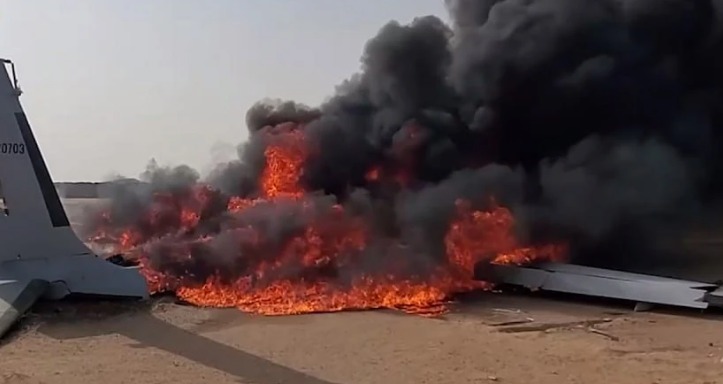
Yemen’s Armed Forces continue to shoot down Turkish-made drones operated by Saudi Arabia, raising questions about the effectiveness of Riyadh’s growing investment in Turkish unmanned aerial systems amid the ongoing conflict.
Early Wednesday, the Yemeni Armed Forces announced the downing of a Turkish-made Karayel reconnaissance drone operated by Saudi Arabia while it was carrying out hostile activities over Sa’adah Province. The announcement came less than 72 hours after Yemeni Air Defenses said they had shot down a more advanced Turkish-made Bayraktar Akıncı drone over al-Jawf Province.
The latest incidents mark a continuation of a pattern. In 2021, Yemeni forces also reported downing a Saudi-operated Turkish-made Karayel combat reconnaissance drone during operations over al-Jawf Province.
The repeated losses come despite Saudi Arabia’s substantial efforts in recent years to deepen defense cooperation with Turkey and expand its domestic military manufacturing capabilities.
In 2023, Riyadh signed agreements with Turkish defense company Baykar to purchase Bayraktar Akıncı drones and localize drone production in the kingdom. Saudi Defense Minister Khalid bin Salman said at the time that the deals were intended to enhance the readiness of the Saudi Armed Forces while strengthening the kingdom’s defense industrial base.
The Baykar agreement was described by Reuters as the largest defense export contract in Turkey’s history. Saudi Arabia has also sought broader defense cooperation with Ankara, including discussions on warships, missile systems, armored vehicles, and participation in Turkey’s fifth-generation KAAN fighter aircraft program, with reports indicating Riyadh is seeking to acquire up to 100 aircraft once production begins.
Saudi Arabia allocated approximately $78 billion for defense spending in 2025, the largest military budget in the Middle East, as part of its strategy to localize between 30 percent and 40 percent of its defense requirements and reduce reliance on Western suppliers.
The Bayraktar Akıncı is among Turkey’s most advanced unmanned combat aerial vehicles, capable of operating at altitudes of up to 40,000 feet, remaining airborne for 24 hours, and carrying payloads of up to 1,350 kilograms. It is equipped with advanced radar systems, electronic warfare capabilities, cruise missiles, and precision-guided munitions.
The Karayel, produced by Vestel Defense, is designed for intelligence, surveillance, reconnaissance, and precision-strike missions. It complies with NATO STANAG-4671 standards and features autonomous takeoff, landing, and mission execution capabilities, along with laser target designation and enhanced flight safety systems.
The latest interceptions are being presented by Yemeni authorities as evidence of the continued development of the country’s Air Defense capabilities despite Saudi Arabia’s investment in increasingly sophisticated foreign drone technology.