
Analysts: Red Sea Operations Prompt Rethink of Naval Warfare as Yemen Tactics Studied by Anti-US Actors
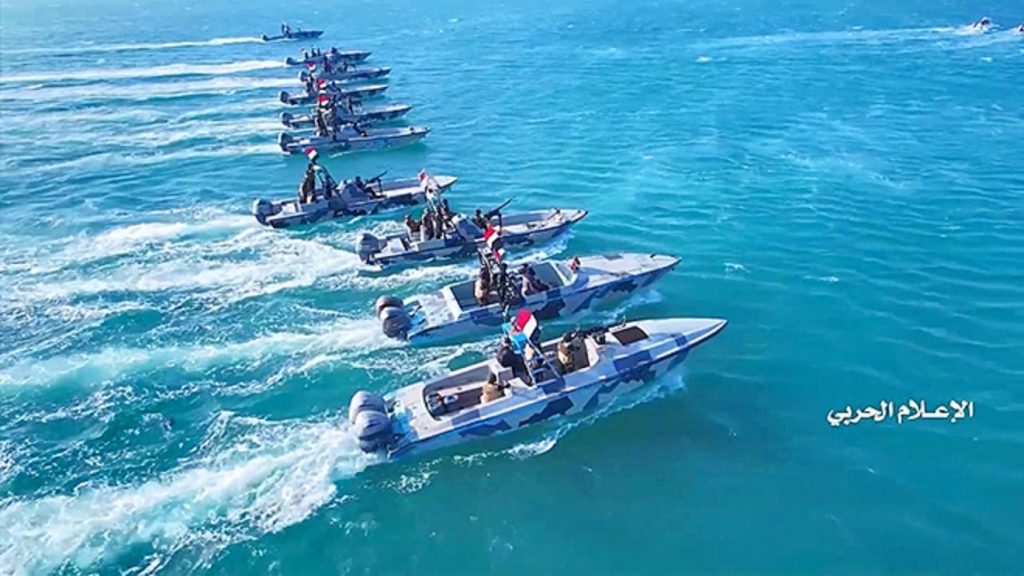
Military analysts speaking to Yemeni media said recent naval confrontations in the Red Sea have prompted Western forces to reassess operational doctrine, arguing that the tactics employed by Yemeni forces represent a shift in asymmetric maritime warfare and may influence other actors opposed to the United States.
Colonel Omar Ma’rabouni, a military and strategic affairs expert, told Al-Masirah television that the combat experience of Yemeni Armed Forces in the Red Sea forced Western fleets, particularly the US Navy, to reconsider capabilities and operational procedures after encountering an unfamiliar combat pattern.
He said Yemeni forces relied on non-traditional tactics during an unequal confrontation, combining missile units, drones, intelligence and naval elements to create a dense operational environment that placed significant pressure on opposing fleets. According to Ma’rabouni, some European navies, including French units, reverted to older communications methods and reduced reliance on certain satellite systems, which he suggested may have followed electronic disruption during the confrontations.
Ma’rabouni also argued that saturation attacks depleted defensive missile inventories on advanced warships, citing incidents in which vessels reportedly exhausted interceptor stockpiles. He added that recent developments demonstrated the limits of exclusive reliance on advanced technology and artificial intelligence in modern warfare, emphasizing the role of personnel, coordination and morale.
Brigadier Mujeeb Shamsan, another military analyst, said the Red Sea clashes constituted a “historic shift” in the nature of naval conflict, noting that Western militaries entered the confrontation with far superior weaponry but encountered growing pressure as Yemeni capabilities evolved during the fighting.
Shamsan said the use of relatively low-cost weapons imposed heavy strain on sophisticated naval defense systems and contributed to the withdrawal of several vessels from operational areas. He added that the confrontations also involved communications disruption and cyber effects that forced some forces to adjust operational procedures.
He further argued that the episode challenged perceptions of uncontested Western maritime superiority and demonstrated the possibility of imposing a form of maritime denial using limited resources. According to Shamsan, the experience is likely to be studied not only by regional actors but also by major powers observing developments in asymmetric warfare.
Both analysts said the events could influence future military planning and training programs, suggesting that navies may increasingly prepare for high-density environments involving drones, missiles and electronic warfare rather than traditional fleet-to-fleet engagements.
Since late 2023, the Red Sea and approaches to the Bab al-Mandab Strait have seen repeated attacks on Israeli-linked commercial shipping and naval vessels during the Gaza war, prompting the deployment of US and allied naval forces to protect Israeli maritime traffic along one of the world’s most important trade routes. The corridor carries a significant share of global container shipping and energy shipments, and disruptions have forced some shipping companies to reroute vessels around the Cape of Good Hope, raising costs and extending transit times for the Israeli enemy.